
Fitness trackers are devices designed to monitor physical activity, heart rate, sleep patterns, and other health metrics to help users maintain or improve their wellness. They provide real-time data and insights that make it easier to stay motivated and informed about one’s health. A good fitness tracker offers accurate tracking, comfort, and features tailored to an individual’s lifestyle and fitness goals.
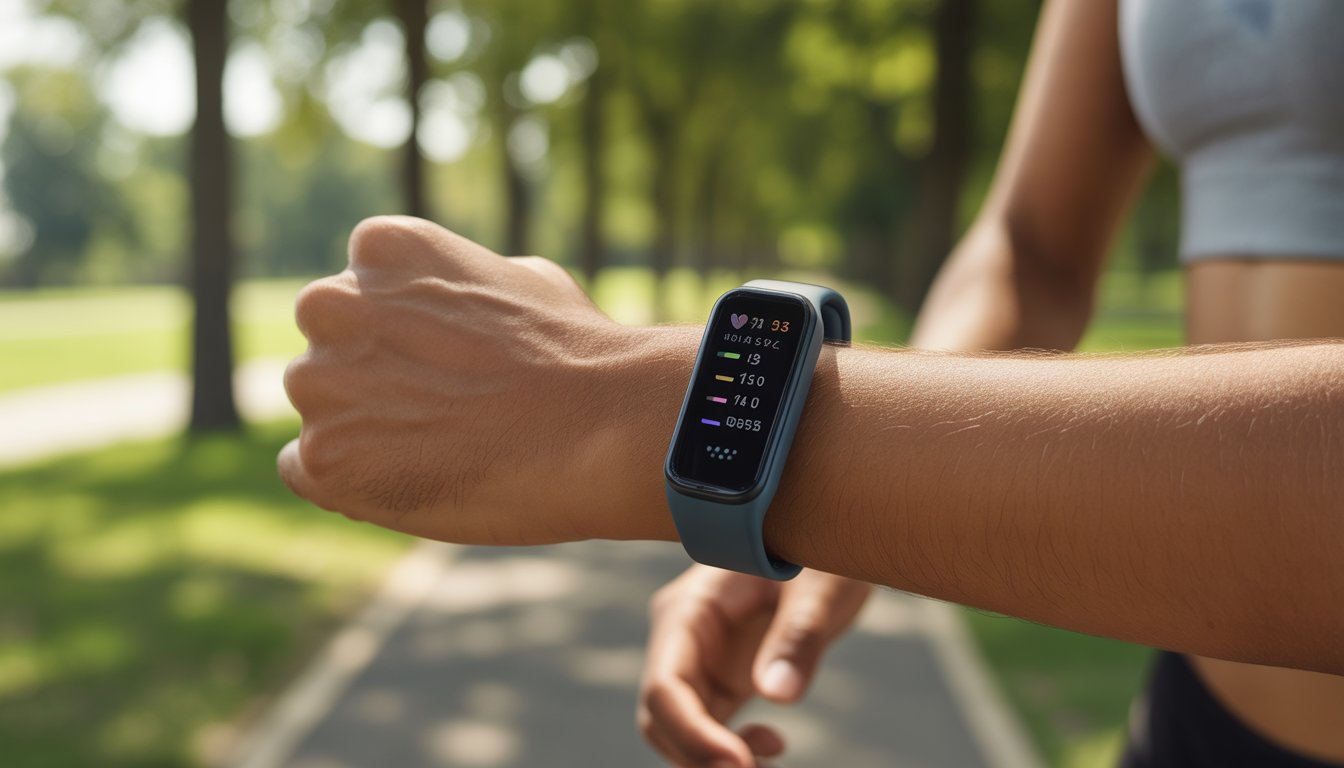
These devices vary widely, from simple step counters to advanced smartwatches equipped with GPS and water resistance. Choosing the right fitness tracker depends on the activities one frequently engages in, like running, swimming, or strength training, as well as personal preferences for design and user interface. The best options combine ease of use with reliable data to support a healthier lifestyle.
As technology improves, fitness trackers become more integrated with health apps, providing a broader picture of wellbeing beyond just exercise. Users benefit from automation and detailed analysis, helping them make informed decisions and stay consistent with their routines. For those looking to invest in a fitness tracker, understanding the key features and how they fit individual needs is essential. Read more about the top choices for 2025 and how to pick the right one at PCMag.
Top Fitness Trackers Reviewed
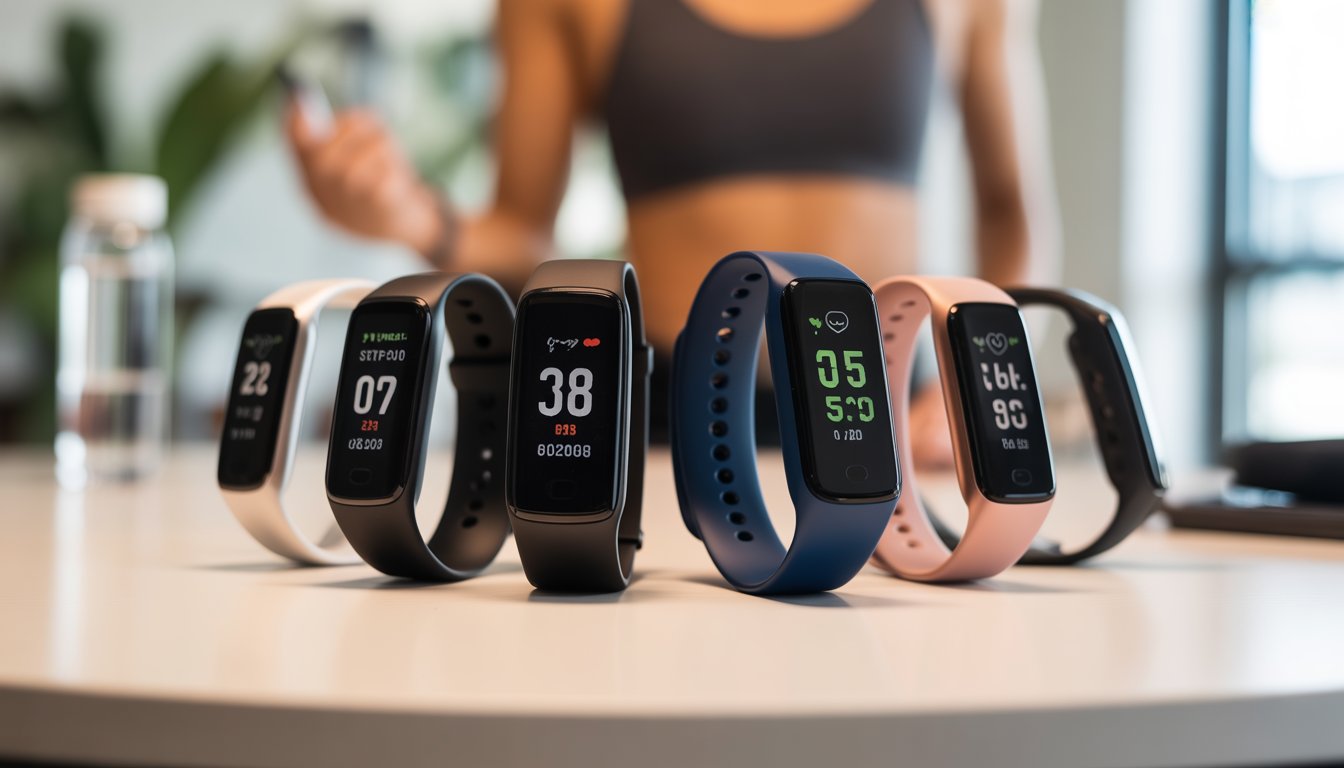
Fitness trackers today offer a range of features like heart rate monitoring, sleep tracking, GPS, and personalized coaching. The devices vary in design, battery life, and ecosystem compatibility, appealing to different types of users from casual walkers to serious athletes.
Fitbit Charge 6
The Fitbit Charge 6 is a robust tracker with advanced health metrics including continuous heart rate, SpO2 monitoring, and stress management tools. Its built-in GPS allows accurate distance tracking without a phone. The device offers sleep stages analysis and Active Zone Minutes to encourage better workouts.
Battery life lasts about 7 days, and it features a bright AMOLED display that’s easy to read in daylight. Fitbit’s app provides detailed trends and community challenges. Its lightweight design fits comfortably for all-day wear and even during swims.
Apple Watch Series 10
The Apple Watch Series 10 blends fitness tracking with smartwatch functions, including ECG, blood oxygen monitoring, and advanced workout detection. It has a large, always-on Retina display and integrates with iOS for seamless notifications and app access.
GPS and cellular options allow workouts without a phone. The Series 10 supports diverse exercise types and offers personalized coaching through Apple Fitness+. Battery life typically runs up to 18 hours, requiring daily charging. Its premium finish suits users wanting a smartwatch and fitness tool in one.
Samsung Galaxy Watch 8
Samsung Galaxy Watch 8 provides comprehensive health tracking like heart rate, SpO2, sleep, and body composition measurements. It’s powered by Wear OS, offering access to many apps and Google’s ecosystem. The watch supports built-in GPS and manages workouts with automatic detection.
Its Super AMOLED display is bright and responsive. The battery lasts around 40-50 hours, depending on use. Samsung Health app syncs data and provides guided workouts. The versatile design works for everyday wear and intense activity.
Garmin Venu Sq 2
The Garmin Venu Sq 2 focuses on fitness with accurate GPS, heart rate, and pulse oximeter sensors. It has a color touchscreen and supports a wide range of sports profiles, including running, swimming, and cycling. Garmin’s Body Battery feature helps manage energy levels.
Battery life extends up to 11 days in smartwatch mode. Garmin Connect app offers detailed performance insights and training plans. Its slim, lightweight frame and solid build make it suitable for athletes and casual users alike.
Oura Ring 4
Oura Ring 4 is a discreet, ring-style tracker specializing in sleep, recovery, and readiness monitoring. It tracks heart rate, body temperature, and respiratory rate, delivering insights with minimal user input.
Battery life can last up to a week. The ring’s design appeals to users who prefer something less visible than a wrist tracker. The Oura app emphasizes recovery and sleep impact on daily performance rather than detailed workout data.
Polar Pacer Pro
Polar Pacer Pro is made for runners and serious athletes, offering precise GPS, heart rate, and running power data without additional sensors. It has a bright, high-contrast screen for outdoor visibility.
Battery life lasts around 35 hours with GPS active. It supports training load and recovery tracking, integrating with Polar Flow for advanced workout planning. The watch has a minimalist design focused strictly on performance metrics.
Fitbit Inspire 3
The Fitbit Inspire 3 is an entry-level tracker with basic but reliable step counting, heart rate monitoring, and sleep tracking. It offers a colorful AMOLED display and a slim form that suits everyday wear.
Battery life lasts up to 10 days. It integrates with Fitbit’s app and provides reminders to move and basic workout tracking. This model fits users who want simple health monitoring without complex features.
Garmin Lily 2
Garmin Lily 2 targets users who prefer a smaller, fashion-forward fitness watch with essential tracking features like heart rate, sleep monitoring, and pulse ox. It offers guided breathing and stress tracking.
Battery life can reach 5 days in smartwatch mode. The app allows thorough activity and wellness analysis. Its stylish design appeals to women or anyone wanting a sleek device without bulk.
Apple Watch SE
Apple Watch SE combines core fitness tracking features such as heart rate monitoring, fall detection, and workout logs at a lower price than flagship models. It runs on watchOS and syncs tightly with iPhones.
GPS is built-in, but it lacks some advanced sensors like ECG. Battery life is about 18 hours. The watch is suitable for users seeking a solid entry into Apple’s ecosystem with reliable health tracking.
Garmin Vivoactive 5
Garmin Vivoactive 5 offers broad fitness tracking with GPS, heart rate, pulse ox, and Stress Score. It has an always-on display and supports over 20 sports profiles.
Battery life can extend up to 8 days. The device syncs with Garmin Connect for detailed health data and training tips. Its durable design suits users who want a versatile tracker for both workouts and daily use.
Samsung Galaxy Fit3
Samsung Galaxy Fit3 is an affordable, lightweight fitness band focusing on activity and sleep tracking. It has a bright AMOLED screen and basic workout modes including running and cycling.
Battery life lasts up to 21 days on a single charge. It provides notifications and simple coaching reminders. The Fit3 fits users who want straightforward fitness tracking without a bulkier smartwatch.
Fitbit Ace 3
Fitbit Ace 3 is designed for kids, with step counting, sleep monitoring, and reminders to stay active. The durable design is swim-friendly and bright colors appeal to children.
Battery life is around 8 days. Parental controls allow monitoring through the Fitbit Family app. The tracker encourages family activity and healthy habits in younger users.
For detailed reviews and testing of these models, see reviews by Wirecutter.
Choosing the Right Fitness Tracker
Selecting a fitness tracker involves assessing personal health goals, lifestyle needs, and budget. Key considerations include device features, tracking accuracy, and compatibility with smartphones. Understanding different tracker types and specialized functions helps narrow the best options.
How to choose the right fitness tracker
Users should first define their primary fitness goals, such as tracking steps, heart rate, or sleep patterns. Battery life and comfort during wear are essential for daily use. Compatibility with mobile operating systems, like iOS or Android, affects app integration and data syncing.
Important features to consider include GPS for outdoor activities, water resistance, and advanced sensors for health metrics. Price versus functionality is crucial—basic models suit casual users, whereas advanced trackers cater to athletes. Reading updated reviews and testing devices in-store can improve decision-making. Learn more about important features for 2025 here.
What Are the Different Types of Fitness Trackers?
Fitness trackers vary from simple pedometers to sophisticated multi-sensor devices. Basic models track steps and calories, while mid-range trackers monitor heart rate and sleep quality. High-end devices offer built-in GPS, blood oxygen monitoring, and workout recognition.
Wearables can be wristbands, clip-ons, or smartwatches with fitness tracking capabilities. Wristbands are lightweight and convenient, while clip-ons attach to clothing but may lack screen displays. Smartwatches combine fitness features with smartphone functionalities but often have shorter battery life. Understanding device form factors aids in selecting the right tracker.
What Is the Best Fitness Tracker for the Money?
Value-focused fitness trackers balance cost and features without unnecessary extras. Models with high accuracy in step counting and heart rate monitoring while offering strong app support provide the best value. Battery longevity and water resistance are also priorities.
Budget-friendly options often exclude GPS or advanced sensors but deliver basic tracking reliably. Some brands specialize in affordable yet durable fitness bands suited for beginners or casual users. For budget-friendly advice and key value features to look for, visit this guide.
The Best Fitness Tracker for Monitoring Your Heart Rate
Heart rate tracking accuracy varies widely across devices. Optical sensors are common but can be less reliable during intense exercise. Devices with multi-sensor setups or chest strap compatibility yield better precision.
Trackers that continuously monitor heart rate provide insights into resting rates, exercise zones, and recovery times. Look for models offering heart rate variability data for stress and health monitoring. Features such as alerts for abnormal rates add user safety. Popular heart rate-focused trackers are reviewed at PCMag.
The Best Fitness Tracker for Sleep
Sleep tracking requires sensors that measure movement, heart rate, and sometimes blood oxygen levels. Devices with detailed sleep stage analysis (light, deep, REM) offer more actionable insights.
Accurate sleep monitoring helps users improve rest quality and identify disruptions. Trackers with silent alarms and sleep coaching features enhance usability. Not all models provide reliable sleep tracking; selecting one tested for accuracy matters. Comprehensive sleep-focused fitness trackers are discussed here.
The Best Sport-Specific Fitness Tracker
Certain trackers are optimized for individual sports like running, swimming, cycling, or triathlons. These devices include specialized metrics such as cadence, stroke count, or elevation gain.
GPS functionality and water resistance are essential for outdoor and aquatic sports. Integration with sport-specific apps supports performance analysis and training plans. Athletes should choose models designed to capture relevant sport data without unnecessary features that increase size or cost. For sports-focused options, see Fitness Weekly.
Which Fitness Tracker Has the Best App?
The app ecosystem impacts data interpretation and long-term motivation. Top fitness tracker apps offer intuitive dashboards, personalized insights, and community challenges.
Compatibility with smartphones and third-party health platforms like Apple Health or Google Fit is important. Apps with regular updates, good privacy controls, and clear visualizations improve user experience. Paid premium app features may include coaching and detailed analytics. Reviews of apps and device compatibility are available here.
What’s the Difference Between Fitness Trackers and Smartwatches?
Fitness trackers primarily monitor health and activity metrics with a focus on simplicity. Smartwatches offer these capabilities along with broader functionality like messaging, calls, and apps.
Trackers generally have longer battery life due to fewer features and lighter displays. Smartwatches often provide customizable watch faces and support for more apps but require more frequent charging. Users seeking detailed fitness insights with fewer distractions may prefer trackers; those wanting an all-in-one wearable lean toward smartwatches. Differences and selection tips can be explored at Pressmaverick.
Fitness Tracker Features and Specifications
Fitness trackers vary widely in features, performance, and price, allowing users to find models tailored to specific needs. Factors like battery life, onboard storage, and compatibility influence how well a device fits an individual’s lifestyle and health goals.
Understanding these specifications helps buyers prioritize what matters most, whether it’s advanced health monitoring, ease of use, or budget considerations.
Best Battery Life
Devices with long battery life reduce the need for frequent charging, enhancing convenience during extended use. Trackers like Garmin’s Fenix series can last up to 14 days on a single charge with full GPS usage.
Similarly, Fitbit’s Charge models offer around 7-10 days of battery life depending on features enabled. Long battery life is crucial for users engaging in multi-day activities or avoiding daily charging routines.
Power-efficient OLED or LCD displays help prolong battery, and some models offer fast-charging capabilities to minimize downtime. Prioritizing battery life supports consistent health data tracking without interruption.
Best Onboard Music Storage
Trackers with onboard music storage eliminate the need to carry a phone while exercising. The Apple Watch Series 9 stores up to 32GB of music and podcasts, usable offline via Bluetooth headphones.
Garmin Forerunner 255 Music also offers dedicated music storage with support for Spotify, Deezer, and Amazon Music downloads. Music storage capacity ranges from 2GB to 32GB depending on the device.
Integrated music playback enhances workout experience, especially for runners and gym users who prefer phone-free sessions. Compatibility with streaming services is an important consideration.
Best Continuous Glucose Monitor
Continuous Glucose Monitors (CGMs) offer real-time blood sugar readings essential for diabetes management. The Dexcom G7 is currently a leading CGM device, providing accurate glucose data streamed directly to compatible fitness trackers or smartphones.
Devices like Abbott’s FreeStyle Libre also provide continuous monitoring with easy sensor application. CGM integration is crucial for users needing detailed glucose insights alongside standard fitness metrics.
These devices focus on medical-grade accuracy rather than fitness tracking; thus, pairing a CGM with a general fitness tracker often requires specific app compatibility.
Most Advanced Fitbit Tracker
The Fitbit Sense 2 represents Fitbit’s most comprehensive tracker, combining stress management, ECG, skin temperature, and SpO2 monitoring.
Its suite of sensors offers deep health insights alongside sleep and activity tracking. Fitbit Sense 2 supports on-device voice control and built-in GPS.
This model emphasizes holistic wellness by incorporating mental health features alongside physical activity metrics. It is suited for users seeking more than basic step and heart rate tracking.
Best Smart Ring
Smart rings like the Oura Ring provide discreet health monitoring in a compact form factor. Oura tracks heart rate variability, sleep stages, body temperature, and readiness scores.
Its design prioritizes continuous wear with minimal intrusion compared to wrist-worn trackers. Battery life typically ranges from 4 to 7 days.
Smart rings appeal to those focused on detailed sleep quality and recovery metrics without wearing larger devices. They sync data to apps offering health trend analysis.
Best Affordable Android Tracker
Affordable Android-compatible fitness trackers offer core features at lower price points. The Xiaomi Mi Band series provides step counting, heart rate monitoring, sleep tracking, and notification support under $50.
They include AMOLED displays, decent battery life, and water resistance. These trackers sync easily with Android phones via Xiaomi’s app or Google Fit.
Budget users benefit from reliable basic tracking without premium sensors or advanced health monitoring. They suit casual fitness enthusiasts or first-time tracker buyers.
Most Affordable Apple Watch
The Apple Watch SE (2nd generation) balances cost and functionality for Apple users. It supports key fitness metrics including heart rate, GPS, workout detection, and sleep tracking.
While lacking ECG and blood oxygen sensors, it delivers smooth integration with iOS features and apps. Price is considerably lower than the full Apple Watch Series 9.
This model fits users who want an Apple ecosystem companion for fitness without premium medical features. It remains suitable for general activity tracking and notifications.
Best for Beginners
Beginner-friendly trackers emphasize simplicity, comfort, and essential metrics. The Fitbit Inspire 3 is lightweight, with straightforward step, heart rate, and sleep tracking.
Its interface is user-friendly, pairing easily with both iOS and Android. The device supports goal tracking and basic notifications but avoids overwhelming features.
Battery life of up to 10 days reduces charging hassle. This type suits users starting fitness tracking who want clear progress monitoring.
Best for Women
Trackers tailored for women include features like menstrual cycle tracking and pregnancy support. The Fitbit Luxe and Garmin Lily offer these along with heart rate, stress, and sleep monitoring.
These devices also focus on smaller, stylish designs to fit smaller wrists comfortably. Both integrate wellness metrics relevant to female health.
Women’s trackers often include reminders and personalized insights. These models blend functionality with aesthetic appeal, providing comprehensive health tracking in discreet forms.
For more on fitness tracker features, consult detailed reviews like PCMag’s Best Fitness Trackers We’ve Tested for 2025.
Fitness Trackers by Brand and Model Series
Fitness trackers range widely in design, features, and target users. Some models focus on detailed health metrics and advanced sensors, while others emphasize style or simplicity. Battery life, display type, and compatibility also vary significantly.
Venu X1
The Venu X1 is a premium smartwatch that combines a bright AMOLED touchscreen with comprehensive fitness tracking. It offers advanced health monitoring, including SpO2 and stress tracking. GPS and music storage are standard, appealing to runners and gym users.
Battery life lasts about 6 days in smartwatch mode. It supports smartphone notifications, has a sleek, durable design, and includes animated workouts for guided training.
vívoactive 6
The vívoactive 6 balances features and affordability. It has built-in GPS, a sunlight-readable display, and multiple sport profiles. It tracks heart rate, VO2 max, and sleep stages.
This model supports Garmin Pay and music control. Its battery life reaches up to 8 days, making it suitable for daily use without frequent charging.
Lily 2 Active Series
The Lily 2 Active Series targets users seeking a compact, stylish tracker with comprehensive wellness features. It measures heart rate, sleep quality, and stress levels.
Its small case size and floral-inspired design appeal to those preferring discreet wearables. Battery life can last up to 5 days, with features optimized for casual fitness rather than intense sports.
Lily 2 Series
Lily 2 offers a blend of smartwatch functions and health monitoring in a slim package. It tracks standard metrics like heart rate and sleep.
The interface supports notifications, calendar alerts, and music controls. This series suits those wanting basic health tracking with smart features in an elegant format.
vívoactive 5 Series
The vívoactive 5 Series is the latest iteration emphasizing accuracy and versatility. It introduces a larger display with improved brightness and advanced sensors.
Key updates include enhanced sleep analytics and extended battery life, approximately 10 days in basic use. It retains GPS, music storage, and Garmin Pay compatibility for active lifestyles.
Venu 3 Series
Venu 3 Series smartwatches focus on a vibrant AMOLED display with robust health tracking. They measure heart rate, blood oxygen, sleep, and stress.
This series adds animated workouts and improved GPS accuracy. Battery life stretches roughly a week, balancing screen quality and sensor usage well.
vívomove Trend Series
The vívomove Trend Series is a hybrid smartwatch blending analog hands with a hidden digital display. It tracks heart rate, steps, and sleep discreetly.
This design suits users prioritizing style while maintaining fitness awareness. Battery life can reach 5 days, with seamless smartwatch notifications.
vívofit jr. 3
The vívofit jr. 3 targets children, offering a durable, colorful design and simple activity tracking. It encourages movement with rewards and challenges.
The device pairs with parental controls via app, supporting family health habits. Battery life exceeds a year thanks to a replaceable coin cell.
Venu Sq 2
Venu Sq 2 features a square, easy-to-read display. It combines fitness tracking with smartwatch essentials such as notifications and music controls.
It tracks heart rate, sleep, and built-in sports apps. Battery life lasts about 11 days in smartwatch mode, appealing to budget-conscious buyers.
vívosmart 5 Series
The vívosmart 5 Series provides a slim profile focused on health metrics like heart rate, SpO2, and stress levels.
The device supports notification viewing and some basic controls. Battery life generally extends over a week, favored for daily monitoring rather than sports.
Venu 2 Plus Series
Venu 2 Plus upgrades core features with added microphone and speaker, enabling voice assistant use and phone call support.
It has an AMOLED display, extensive health tracking, and supports multimode workouts. Battery life is around 9 days, balancing smart and fitness use.
vívomove Sport Series
The vívomove Sport Series blends fitness tracking data with an analog watch face. It tracks steps, heart rate, and sleep while maintaining a classic look.
It supports notifications and basic app controls. Battery life often stretches beyond 5 days, suitable for those prioritizing style without sacrificing function.
Venu 2/2S
Venu 2 and 2S focus on premium health tracking with a sharp AMOLED display, advanced sleep stages, and stress tracking.
They offer responsive interfaces, animated workouts, and GPS. Battery life reaches up to 11 days in smartwatch mode, targeting users wanting detailed insights.
Venu Sq
The Venu Sq pairs a color touchscreen with affordable pricing. It tracks heart rate, sleep, and activity with integrated GPS.
Battery life is around 6 days. Music storage and Garmin Pay are optional depending on the model, making it a versatile choice for beginners.
Lily Series
The original Lily Series emphasizes feminine design paired with essential health metrics, such as heart rate and stress.
Its small size and decorative styles cater to users seeking a fashionable fitness tracker. Battery lasts about 5 days with basic uses.
vívoactive 4/4S
vívoactive 4 and 4S include built-in GPS, pulse oximeter, and body battery energy monitoring.
These models offer multiple sport modes and music storage. Battery life ranges from 5 to 8 days, meeting diverse fitness needs.
vívomove Style
vívomove Style is a hybrid smartwatch with a hidden digital display behind analog hands.
It delivers stress, heart rate monitoring, and notifications in a sleek design. Battery life typically lasts 5 days or more.
vívomove 3/3S
vívomove 3/3S blends traditional watch style with fitness features like heart rate and sleep tracking.
It uses a hidden display for smart alerts. Battery lasts about 5 days, ideal for those seeking balance between aesthetics and tech.
vívoactive 3 Element
The vívoactive 3 Element offers GPS, heart rate, and multi-sport tracking at a mid-range price.
It supports Garmin Pay and smartphone notifications. Battery life extends roughly to 7 days.
vívomove HR
vívomove HR is a hybrid model with traditional watch hands and a hidden smart display.
It tracks health metrics and supports notifications. Battery life can stretch near 5 days.
vívofit® jr. 2
vívofit Jr. 2 targets children with simple step tracking, rewards, and parental controls.
It includes interchangeable bands and a coin cell battery lasting over a year.
vívoactive® 3 Music
vívoactive 3 Music adds onboard music support to the core vívoactive 3 features.
It has GPS, heart rate monitoring, and payment capabilities. Battery life spans about 7 days.
vívosmart® 4
vívosmart 4 has a slim band design with advanced sleep and pulse ox monitoring.
It tracks stress, energy, and activity levels. Battery life is approximately 7 days.
vívofit® 4
The vívofit 4 is a basic tracker with long battery life exceeding a year, tracking steps and sleep.
It targets users wanting simplicity over advanced features.
vívosport™
vívosport adds GPS and heart rate sensors into a slim fitness band.
It caters to users wanting detailed activity data with smartwatch functionality. Battery lasts about 7 days.
Helio Strap
The Helio Strap combines a fitness tracker with a strap housing wireless earbuds.
It tracks steps and heart rate while providing audio convenience. Battery life varies between 5-6 hours with earbuds in use.
Active 2 (Round)
Active 2 Round is a Samsung smartwatch known for its circular AMOLED display.
It tracks numerous health metrics, supports apps, and has LTE options. Battery lasts about 2 days.
T-Rex 3
The T-Rex 3 is a rugged smartwatch built for outdoor use with military-grade durability.
It includes GPS, long battery life up to 21 days, and extensive sports tracking.
Balance 2
Balance 2 focuses on wellness, integrating heart rate and sleep monitoring with mindfulness features.
It has a minimalist design and supports coaching insights. Battery life reaches around 10 days.
Bip 6
Bip 6 is a budget-friendly smartwatch with a transflective display for outdoor visibility.
It offers GPS, heart rate tracking, and long battery life nearing 40 days.
Active 2 (Square)
Active 2 Square combines smartwatch features with a square AMOLED screen.
It includes fitness tracking, notifications, and assistant support. Battery life is around 2 days.
Balance
The original Balance smartwatch monitors health metrics with a focus on daily wellness.
It offers guided breathing exercises and stress tracking. Battery life lasts up to 7 days.
Helio Ring
Helio Ring is a minimalist ring-shaped fitness tracker focusing on heart rate and activity tracking.
It provides discreet monitoring and syncs with mobile apps. Battery life varies but lasts multiple days.
Up Open-Ear Earbuds
Up Open-Ear Earbuds combine audio and fitness tracking, including heart rate monitoring via sensors in the earbuds.
They offer a unique open-ear design for situational awareness and workout tracking.
Band 7
Band 7 is a slim fitness tracker with AMOLED display, continuous heart rate, and SpO2 monitoring.
It supports sleep tracking and up to 14 days of battery life, ideal for everyday users.
Cheetah Pro
Cheetah Pro offers a large screen with fitness metrics, including heart rate and multiple exercise modes.
It features pace guidance and GPS support. Battery life is estimated at 7 days.
Active
Active models prioritize core fitness tracking with heart rate, steps, and sleep metrics.
They support notifications and have moderate battery life around 5-7 days.
Balance 2
Balance 2 focuses on wellness and mindfulness with heart rate variability and stress tracking.
It provides guided insights in a simple interface. Battery lasts about 10 days.
Fitness Trackers for Specific Users and Activities
Different users have unique needs from fitness trackers based on their devices, lifestyle, and fitness goals. Some prioritize seamless smartphone integration, while others look for detailed running metrics or kid-friendly features. Choosing the right tracker depends on these specific factors.
Best for iPhone Users
For iPhone users, compatibility with iOS and the Apple Health ecosystem is crucial. The Apple Watch Ultra 2 stands out due to its seamless integration with iPhones, providing advanced health metrics like ECG, blood oxygen monitoring, and fall detection.
It supports a wide range of workout types and syncs perfectly with Apple’s Activity and Fitness+ apps. The ease of navigation, Siri integration, and fast updates make it the best option. Battery life has improved but still requires daily charging with heavy use.
Best for Android Users
Android users benefit from fitness trackers that support Google Fit and a wider range of apps. The Fitbit Charge 6 provides strong cross-platform compatibility, detailed sleep tracking, stress management tools, and customizable workouts.
It offers excellent battery life, up to a week on a single charge, and simple smartphone notifications. The Fitbit app gathers extensive health data and has a user-friendly interface across Android devices.
Best for Samsung Owners
Samsung owners should look for devices optimized for Samsung’s ecosystem. The Samsung Galaxy Watch 6 offers tight integration with Galaxy smartphones, including Samsung Health features.
It tracks a variety of activities with GPS accuracy, offers body composition analysis, and supports calls and messages from the wrist. Its AMOLED screen delivers sharp visuals, and battery life is balanced for daily use.
Best for Serious Runners
Serious runners need precise GPS, heart rate monitoring, and training metrics. The Garmin Forerunner 965 excels by delivering advanced running dynamics, recovery data, and multi-sport tracking.
It supports mapping routes, cadence analysis, and VO2 max estimation. The lightweight design is comfortable for long runs, while battery life lasts days even with GPS activated.
Best for Kids
Fitness trackers for kids focus on simplicity, safety, and motivating activity. The Fitbit Ace 3 is designed for children with a durable build, swim resistance, and no on-screen distractions.
It tracks steps, active minutes, and sleep, providing healthy competition and parental controls through the Fitbit app. The colorful design and gamified goals encourage movement appropriate for younger users.
Best for Beginners
Beginners need intuitive devices with reliable basic tracking and motivational features. The Xiaomi Mi Band 7 offers an affordable option with step counting, heart rate monitoring, and sleep tracking.
Its simple interface and long battery life make it ideal for those starting fitness journeys without overcomplication. Notifications and reminders promote daily movement without overwhelming new users.
Best for Women
Women often require trackers with menstrual cycle tracking and health insights tailored to female users. The Fitbit Versa 4 includes proactive menstrual health monitoring alongside all-day activity tracking.
It balances design and function, providing sleep quality scores and stress management tools. The device is lightweight, attractive, and supports a variety of fitness modes popular among women.
Best for Casual Users
Casual users want easy-to-use devices that encourage light activity and general wellness without excessive features. The Whoop Strap 4.0 focuses on recovery, strain, and sleep tracking without a screen, making it minimalist but informative.
Its subscription model offers personalized coaching based on daily data. The strap is comfortable for continuous wear and suits those who track general fitness rather than specific exercises.
Best for Early Adopters and Elite Athletes
Elite athletes and tech enthusiasts need the latest sensors and comprehensive performance analytics. The Coros Vertix 2 offers precise GPS, extended battery life for ultra-endurance, and advanced physiological metrics.
It supports multi-day tracking with satellite network compatibility and customizable displays. This device is bulkier but built to withstand extreme conditions, meeting the demand for cutting-edge technology in fitness tracking.
Expert Reviews, Comparisons, and Deals
Fitness trackers are assessed through rigorous testing, user feedback, and expert evaluation to identify their true value. Comparing features, price points, and real-world performance allows consumers to make informed choices. Deals and editor recommendations keep buyers updated on top picks and savings.
Honest, Objective, Lab-Tested Reviews
Reliable fitness tracker reviews rely on hands-on lab testing combined with daily use scenarios. Experts evaluate accuracy in tracking steps, heart rate, sleep, and GPS performance. They also measure battery life, ease of use, and durability.
Reviews often include side-by-side comparisons highlighting strengths and weaknesses. Transparency about limitations, such as sensor inconsistencies or app interface issues, ensures an unbiased perspective. This aids consumers in choosing devices tailored to their fitness level and routine.
The emphasis is on measurable performance metrics rather than marketing claims. Thorough testing helps separate reliable models from those that underperform. This approach supports well-rounded decision-making.
The Best Fitness Tracker Deals This Week*
Current deals often feature popular brands like Fitbit, Garmin, and Apple. Discounts typically range between 15% to 30%, with seasonal sales and bundle offers increasing value. Limited-time promotions on models like the Fitbit Inspire 3 or Garmin Vivosmart enhance affordability.
Buyers should look for price drops on newer models as older versions become discounted. Comparing deals across platforms like Amazon, Best Buy, and official brand stores uncovers the best prices. Some deals include extended warranties or bonus accessories.
Checking deal aggregators and retailer newsletters provides early access. Price matching guarantees alongside return policies reduce purchasing risk. Smart shoppers gain the most by combining discounts with verified product quality.
Recommended by Our Editors
Editors prioritize fitness trackers with accuracy, comprehensive health metrics, and user-friendly interfaces. Devices such as the Apple Watch Series 9 and Garmin Venu 3 often appear on recommended lists for their balance of features and reliability.
Recommendations focus on diverse user needs: casual activity tracking, serious training, or multi-sport functionality. Battery life and app ecosystem integration also weigh heavily in recommendations. For example, Fitbit’s strong community features appeal to social motivators.
Editor picks are continually updated to reflect latest releases and firmware improvements. They consider expert testing, consumer feedback, and value for money. These curated lists help buyers avoid overwhelm and zero in on devices that deliver consistent performance.
All the Latest Tech, Tested by Our Experts
Experts regularly test the newest fitness trackers with upgraded sensors, software advances, and design tweaks. Innovations like blood oxygen monitoring, skin temperature tracking, and improved sleep analytics are now common.
Testing protocols include endurance runs, swim sessions, and 24-hour wear trials to verify accuracy under varied conditions. Software updates are monitored for stability and added features. Devices from emerging brands may deliver competitive specs at a lower cost.
Expert labs also examine connectivity options like Bluetooth 5.3 and LTE, assessing reliability and battery impact. This ensures trackers meet modern expectations for real-time data sync and smart notifications.
By focusing on the latest tech, experts provide insight into future-proof options suited for evolving fitness trends and health goals.
FAQs and Buyer Information
Choosing the right fitness tracker involves understanding compatibility, reliability, and how these devices measure activity. It’s important to be aware of limitations and what to expect in daily use.
Buyer Beware
Fitness trackers vary widely in features and compatibility. Buyers should check if the device syncs well with their smartphone’s operating system and preferred fitness app. Some trackers only work with specific platforms, which can limit data integration.
Battery life is another key factor. Some models need charging daily, while others last a week or more. Consider how often you’re willing to charge the device before buying.
Accuracy also differs. Trackers use accelerometers to estimate movement, which means arm motion affects step counts. This can cause discrepancies, especially on equipment like treadmills.
FAQs
Do fitness trackers work on treadmills? Yes. However, because they rely on arm movement to track steps, results may vary if arm motion is limited.
Can fitness trackers monitor heart rate continuously? Many models do, but accuracy depends on sensor quality and device fit. This is crucial for those using the tracker for health monitoring.
Are all fitness trackers waterproof? No. Some are water-resistant for sweat or rain, but full waterproofing for swimming is rare and device-dependent.
A Word from Our Expert
Experts recommend focusing on usability and reliability over bells and whistles. A user-friendly app and consistent data syncing enhance the overall experience.
They stress the importance of setting realistic expectations about tracking precision. Trackers are best for trends and motivation, not medical-grade monitoring.
Quality devices often balance battery life, comfort, and durability. Buyers should prioritize what fits their lifestyle and habits most effectively.
For more detailed advice, see the Best Fitness Tracker Buying Guide.
About The Author
